
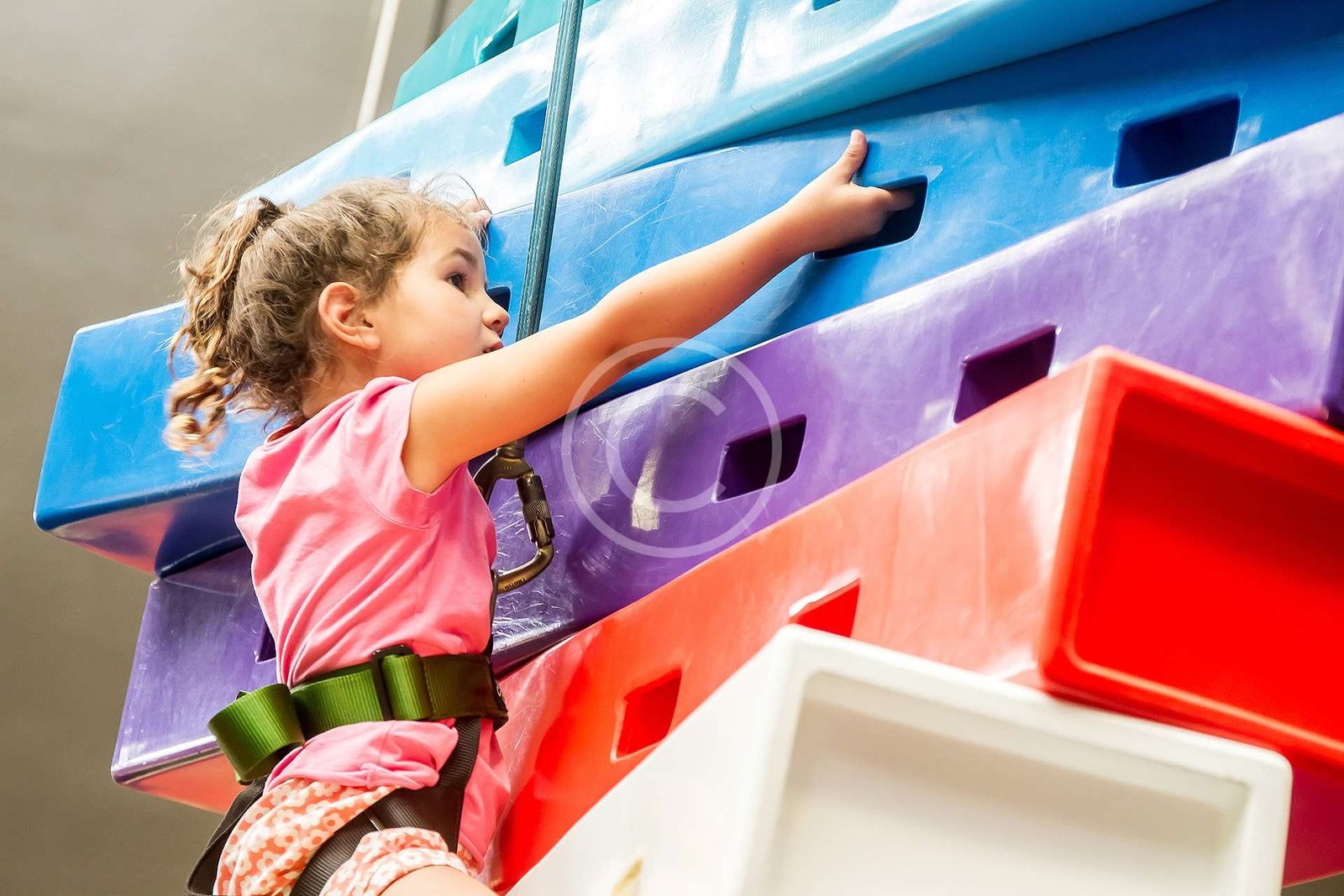

In today’s digital world, helping children build healthy habits early on is more important than ever. Regular physical activity doesn’t just strengthen their bodies—it boosts their minds, confidence, and overall well-being. Whether your child is naturally active or needs encouragement to get moving, there are countless enjoyable ways to incorporate exercise into their daily routine.
Below are some of the most beneficial physical activities for children and the powerful advantages they offer.
1. Outdoor Play
Kids don’t always need structured exercise—simple outdoor play can be just as beneficial.
Activities include:
-
Running in the yard
-
Tag
-
Playing at the park
-
Jumping rope
Health benefits:
-
Builds endurance and cardiovascular health
-
Strengthens muscles and bones
-
Promotes creativity and problem-solving
-
Provides essential vitamin D from sunlight
2. Cycling and Scootering
Biking and scootering are fun ways for kids to stay active while exploring their surroundings.
Benefits:
-
Improves balance and coordination
-
Strengthens leg muscles
-
Enhances heart health
-
Encourages independence and confidence
3. Swimming
Swimming is often considered one of the best full-body workouts for children.
Benefits:
-
Builds stamina and muscle strength
-
Low-impact on joints
-
Improves lung capacity
-
Helps keep children cool and active in warm weather
4. Sports and Team Activities
Whether it’s soccer, basketball, or dancing, team sports teach children much more than physical skills.
Benefits:
-
Promotes teamwork and communication
-
Teaches goal-setting and discipline
-
Improves overall fitness and agility
-
Helps children build friendships and social skills
5. Hiking and Nature Walks
Exploring nature offers both physical and mental health benefits.
Benefits:
-
Strengthens the lower body
-
Encourages curiosity and environmental awareness
-
Reduces stress and anxiety
-
Provides family bonding time
6. Yoga and Stretching
Mind–body activities are becoming more popular for children—and for good reasons.
Benefits:
-
Increases flexibility
-
Improves focus and emotional regulation
-
Teaches mindfulness
-
Helps reduce stress
7. Home-Based Activities
When outdoor time is limited, indoor play can still keep kids active.
Examples:
-
Dancing
-
Obstacle courses
-
Follow-the-leader
-
Active video games (used in moderation)
Benefits:
-
Convenient and weather-proof
-
Helps burn energy
-
Encourages creativity and movement
How Much Activity Do Kids Need?
Health guidelines recommend that children get at least 60 minutes of moderate to vigorous physical activity every day. This can be broken up throughout the day and include anything from play to structured exercise.


Final Thoughts
Encouraging regular physical activity doesn’t have to feel like a chore—for you or your child. With a variety of fun activities to choose from, every child can find something they enjoy. The key is consistency, encouragement, and making movement a natural part of daily life.
A healthier child today means a stronger, happier adult tomorrow.